Feature Story
2026/01/26
Taiwan Climate Partnership Visits ASUS to Experience ASUS’s Sustainability in Action
-
Copied to clipboard
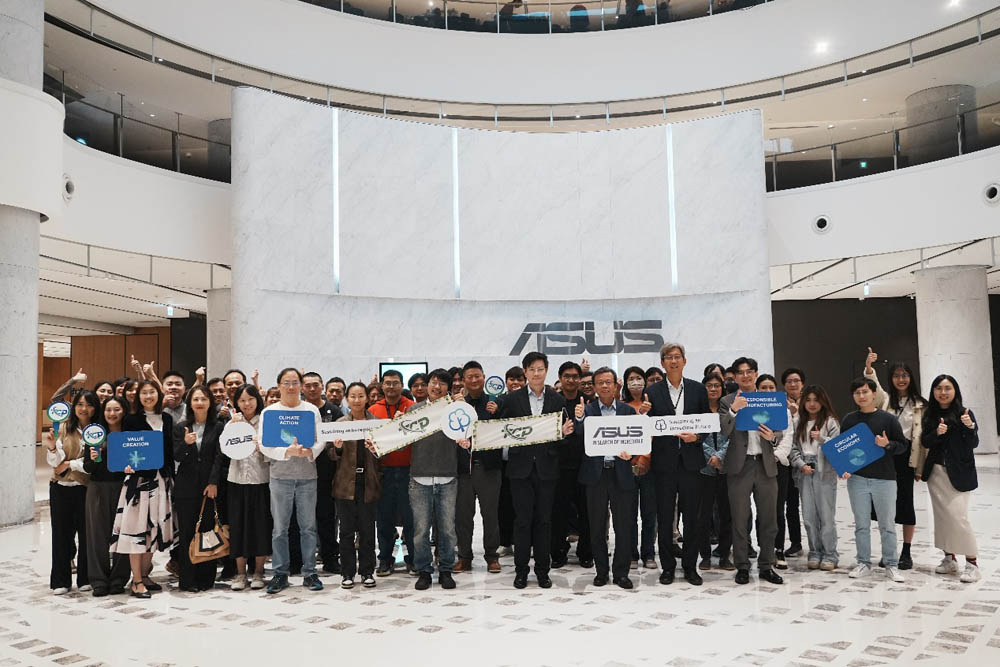
To deepen connections and knowledge exchange on sustainability practices across Taiwan’s industries, the Taiwan Climate Partnership (TCP) continues to host a quarterly Corporate Decarbonization Learning Program. As a founding member, ASUS invited TCP members to its corporate headquarters in December 2025. By sharing practices from a sustainability front-runner, ASUS aims to shorten peers’ learning curves and help accelerate progress toward net-zero.
Revisiting the Partnership Mission, Strengthening Shared Responsibility
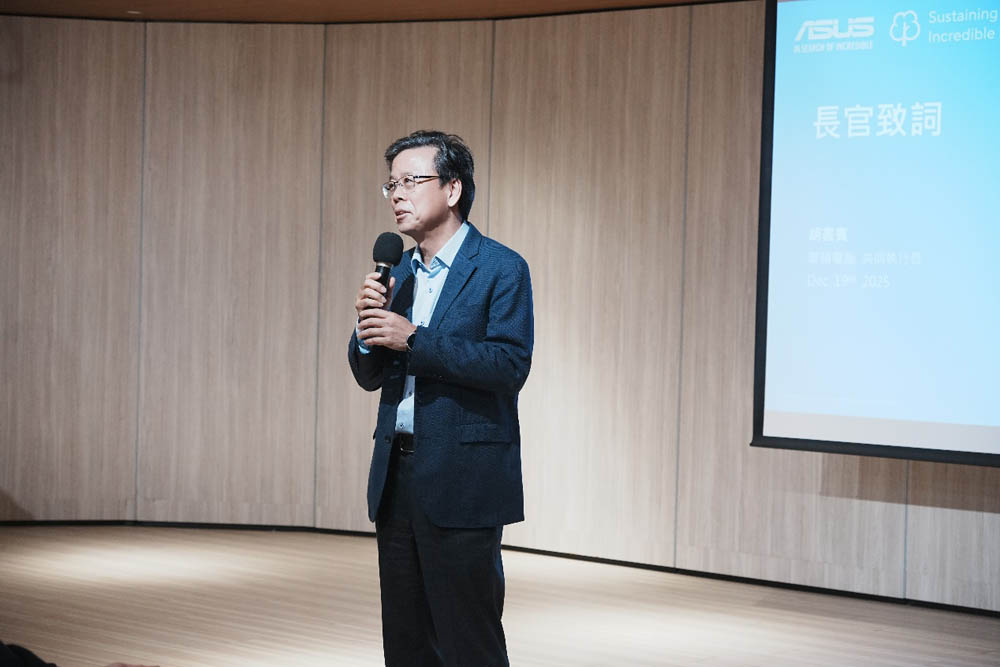
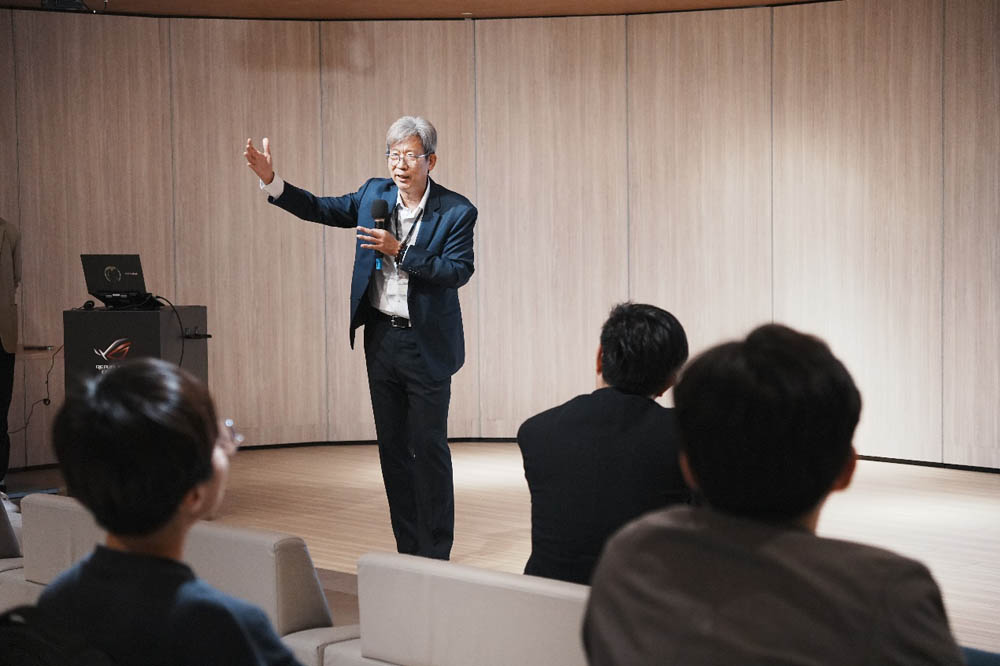
The event opened with remarks from ASUS Co-CEO and TCP Vice Chair Samson Hu, who reviewed the Partnership’s origins and mission and shared insights on the global landscape. He emphasized that corporate climate action has shifted from regulation driven to market driven. Deep cross-industry collaboration and practical knowledge sharing are essential to build climate resilience, create momentum for low-carbon transition, and strengthen Taiwan’s green competitiveness.
Practicing Strategic Sustainability, Driving Growth
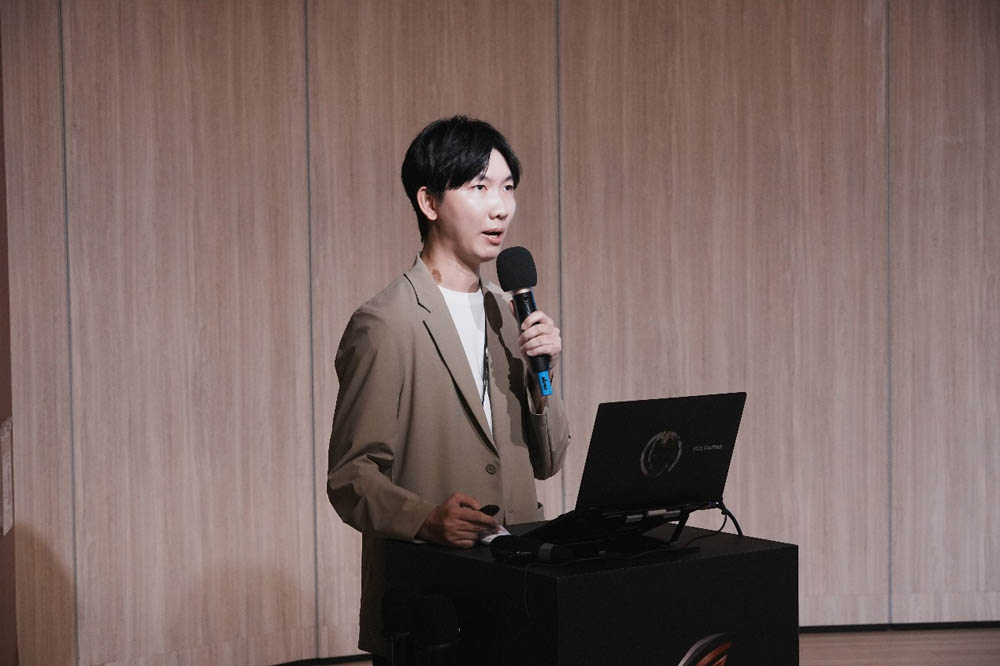
In the keynote speech, ASUS presented a pragmatic, strategy-led approach to sustainability supported by digitized measurement and technology-enabled management. ASUS operates a three-tier governance model with direct oversight by the Board of Directors, CEO-level leadership as the highest management, and execution by the Sustainability Center with the Chief Sustainability Officer (CSO) as the management representative. Functional bodies include the Sustainability Development Committee, which oversees group-wide sustainability management and progress, and the Business Continuity Management Committee, which integrates material sustainability topics into enterprise risk management through cross-functional coordination.
To deliver on net zero, ASUS has defined eight decarbonization strategies. A comprehensive GHG inventory anchors decision making. The TCFD framework is used to identify climate risks and opportunities and to assess net-zero pathways. ASUS follows SBTi-aligned pathways and sets near-term targets for 2030 and long-term targets for 2050. Within the value chain, ASUS advances low-carbon products through circular-economy design and expands renewable electricity use across operations. For roughly 800 suppliers, ASUS drives decarbonization through supplier grading management, targeted capacity-building, and AI x ESG digital tools. In parallel, ASUS participates in carbon markets by securing high-quality removal credits, develops the ASUS Carbon Partner Services business model, and invests in climate-innovation technologies that can also support revenue growth.
Translating Strategy into Action
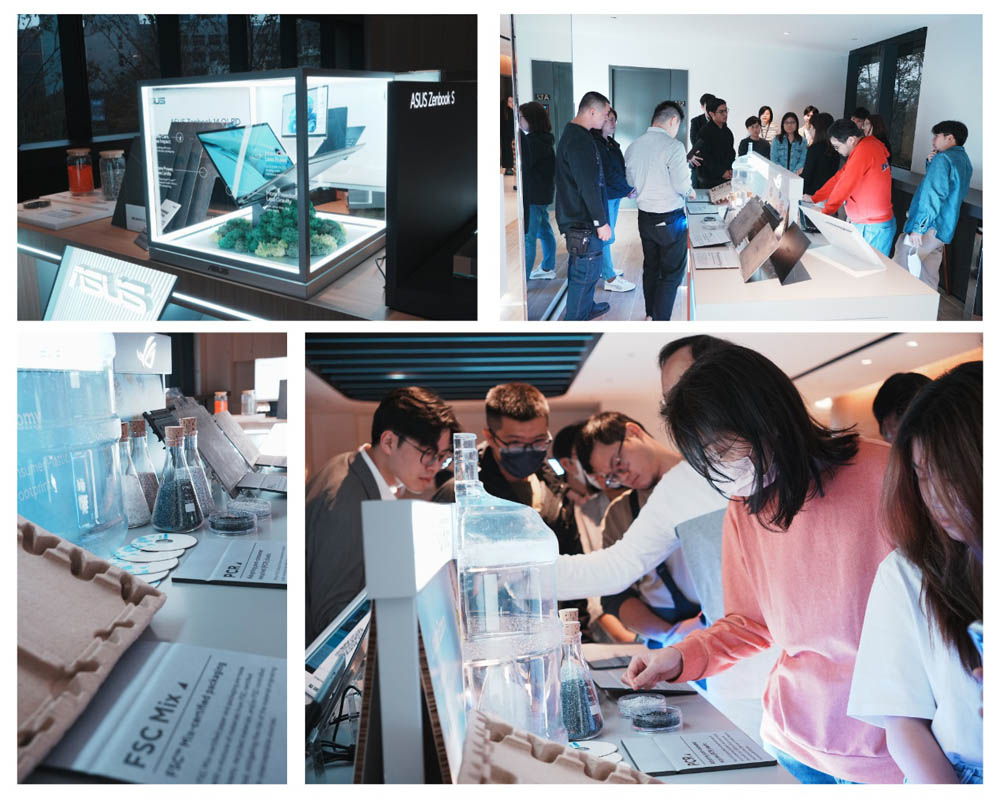
The themed showcase highlighted “Circular Economy” and “Digital Platforms,” demonstrating how ASUS translates strategy into tangible actions. In the circular-economy area, ASUS demonstrated how design thinking embeds sustainability as a key design parameter to deliver user-centric and environmentally considerate products that create business value. Two notebook PCs, one consumer and one commercial, were displayed with verified product carbon footprints and carbon neutrality, along with samples of eco-friendly materials such as plastic pellets and metal components so attendees from different industries could see how a more sustainable laptop is built.
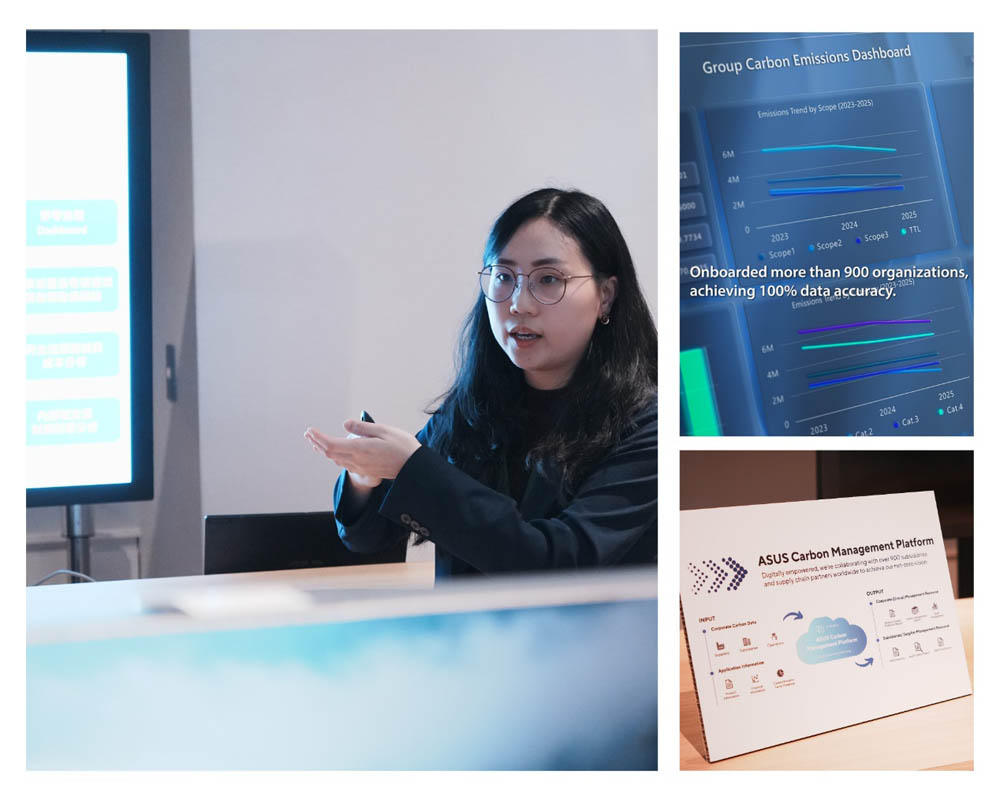
The digital management zone featured the ASUS Carbon Data Management Platform, which integrates an internal carbon knowledge base with AI-embedded workflows to improve efficiency across roles. For “reporting,” AI-recommended factors and an AI chatbot guide data entry and reduce learning barriers; for “review,” OCR plus AI links evidence files to speed verification and enhance traceability; for “reporting outputs,” one-click generation of inventory registers streamlines documentation; and for “decision-making,” text-to-SQL translates natural-language queries into executable system statements to surface critical data rapidly.
Embedding Design Thinking in a Sustainability Culture
The session concluded with a dialogue led by the CSO, who emphasized ASUS’s core belief that sustainability is not only a moral appeal but also a concrete expression of core capabilities.
Sustainability is integrated into existing thinking and decision making rather than being separate from operations. In product design, operations management, and strategy development, ASUS seeks to meet market and customer needs while accounting for environmental impacts and creating long-term value. In this way, sustainability becomes part of daily business practice.
ASUS will continue its fundamentals-first sustainability strategy enabled by digital capabilities. The next five-year action plan will set more ambitious targets across four pillars, Climate Actions, Circular Economy, Responsible Manufacturing, and Value Creation, to guide steady progress toward a sustainable future.
For more information, please visit the ASUS ESG website.
Related Article